A grounded, honest look at west Pune capital appreciation from 2016 to 2026 — what drove the growth, which pockets led and how to read the next cycle.
If you had bought a well-planned 2 BHK in Kothrud or Baner in 2016, your flat today would be worth meaningfully more than you paid for it — even accounting for the pandemic dip in the middle. The west Pune capital appreciation story of 2016 to 2026 is one of the city’s quieter success stories, driven less by hype and more by jobs, metros, schools and steady demand.
This review looks back at how prices actually moved in west Pune over the last ten years, what drove each phase of the cycle, which pockets led, and what the pattern tells a buyer about the next five years. No ROI promises, no inflated numbers — just a grounded read of a market we have built in for 16 years.
A quick framework: what drives capital appreciation
Residential property prices in any Indian city rise on four forces. First, job density — more offices in the micro-market mean more income chasing homes. Second, social infrastructure — schools, hospitals, markets. Third, physical connectivity — roads, metros, airports. Fourth, supply discipline — when supply exceeds demand, prices stall.
West Pune in 2016 had the first two forces moderately in place. By 2026 all four are strongly in place, which is why the ten-year capital appreciation story has been as consistent as it has been.
Phase 1: 2016 to 2019 — the steady base-building
From 2016 to early 2019, west Pune saw broad 6 to 8 percent annual price growth. Kothrud, Baner, Aundh and Bavdhan each attracted their own buyer archetypes — Kothrud for Marathi professional families, Baner for IT, Aundh for premium end-use, Bavdhan for value-conscious upgraders.
Supply was moderate and healthy. Redevelopment had started in Kothrud and Erandwane, Pune Metro Line 1 construction was underway, and RERA registrations in 2017 had cleaned up developer discipline across the market. Buyers were cautious but consistent.
Phase 2: 2019 to 2021 — the pandemic pause
Covid-19 slowed everything from mid-2020 to mid-2021. Prices in west Pune were broadly flat during this period. However, two things quietly changed under the surface. First, the preference for larger carpet areas accelerated — the pandemic made every family realise their flat was also an office and a classroom. Second, inventory in prime pockets of Kothrud and Baner thinned out as buyers who were waiting took quick decisions.
When the market reopened in late 2021, well-located 2 and 3 BHKs in Kothrud, Aundh and Bavdhan were among the first to see renewed demand. The under-the-surface tightening set up what came next.
Phase 3: 2022 to 2024 — the metro-led jump
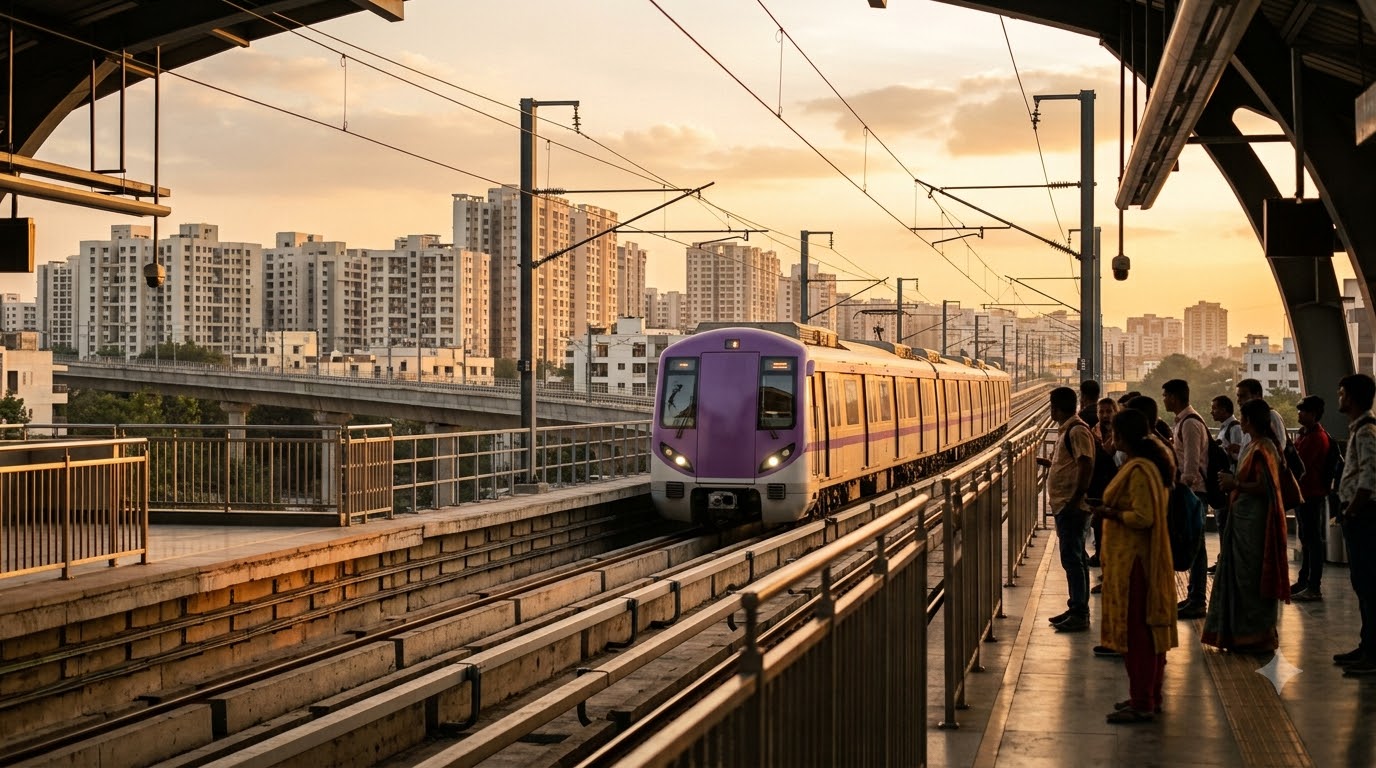
Pune Metro Line 1 began operations in sections through 2022 and 2023. The impact on west Pune capital appreciation was quick and measurable. Properties within a 2 km walk of Vanaz, Anand Nagar and PCMC Metro saw 12 to 18 percent annual price growth through 2022, 2023 and the first half of 2024.
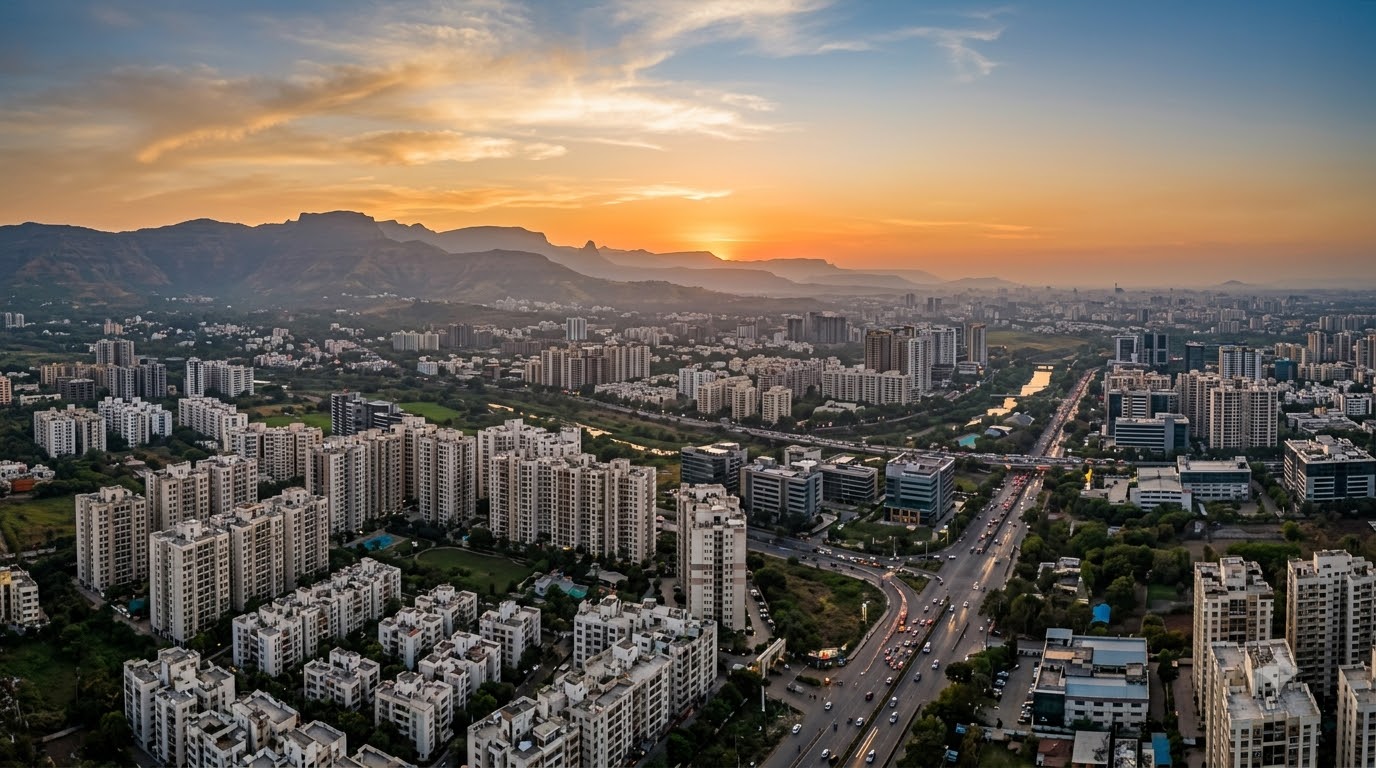
Baner and Balewadi also absorbed large new office inventory during these years, which pulled rental yields and resale depth up. By end-2024, west Pune had decisively shifted from a value market to a mainstream market — comparable to premium pockets in east Pune on both price and buyer quality.
Phase 4: 2025 to 2026 — the normalisation
The 2022 to 2024 surge was followed by a healthy slowdown. 2025 and 2026 have seen more measured annual growth of 7 to 10 percent across most west Pune pockets. This is a sign of a maturing market, not a weakening one. Buyers now evaluate more carefully, developers compete on quality rather than price, and resale velocity has normalised.
In 16 years of building here, our team has consistently seen that these normalisation phases are the healthiest for a long-term buyer. The surge phases are exciting but difficult to time. The steady phases are where disciplined buyers get the best fits.
Which micro-pockets led the ten-year run
Within west Pune, four pockets led the ten-year capital appreciation story. Rambaug Colony and inner Kothrud consistently delivered 9 to 11 percent annualised growth, driven by redevelopment supply replacing older stock. Baner and Balewadi tracked similar numbers on the back of IT demand. Aundh grew more slowly but with better absolute pricing, becoming west Pune’s premium end-use pocket. Bavdhan started as a value play and converged into mainstream pricing over the decade.
Sahakar Nagar and south Pune lagged west Pune on growth percentage, but with lower entry prices and strong fundamentals, several buyers who entered there in 2017 to 2019 have seen very satisfying absolute returns.
What the pattern tells you about the next five years
The west Pune capital appreciation story is not over. The forces that drove the last decade — jobs, metros, schools, redevelopment supply — remain intact and strengthening. Expect broad 8 to 11 percent annual growth over the next five years in well-located Kothrud, Erandwane, Baner and Aundh.
The most important shift for buyers is quality. The next decade will reward buildings with high carpet efficiency, strong amenity planning and credible developer track records. The gap between a well-built project and a cheaply-built one will widen on both resale value and rental yield.
Final thoughts
The ten-year west Pune capital appreciation review is a reminder that steady, infrastructure-led markets reward patient capital. 2016 to 2026 has rewarded buyers who picked good pockets and held through the pandemic. 2026 to 2031 is likely to reward buyers who prioritise building quality and location equally.
If you are evaluating a home in west Pune and want to see how our Kothrud, Erandwane and Bavdhan projects compare on both long-term appreciation potential and current carpet-area value, our team at Badhekar Group is happy to walk you through the numbers. Book a visit today at https://badhekargroup.in/contact-us — we will show you the project, the paperwork and the pricing on the same table.
Frequently Asked Questions
Is west Pune still a good place to buy in 2026?
Yes. The underlying growth drivers — jobs, metros, schools and redevelopment supply — remain intact and prices have not run away. Pick a well-located pocket with proven social infrastructure.
Which west Pune pocket offers the best capital appreciation?
Kothrud, Baner and Erandwane continue to lead on long-term appreciation. Bavdhan and Aundh are strong secondary bets. Sahakar Nagar offers value with upside for patient capital.
Should I wait for prices to drop before buying?
Timing residential property is extremely hard. If you have a 7 to 10 year horizon and can afford the EMI, buy a well-located flat you plan to live in or hold. Trying to time short-term dips rarely works.
What type of flat gives the best appreciation in Pune?
Well-planned 2 and 3 BHK flats in RERA-compliant buildings from established developers in prime pockets. Avoid oversized units in micro-markets without proven social infrastructure.